Spring · Blossoms
Mar–May, jacaranda rivers along Jiaochang Middle Road, begonia in full bloom by Cuihu — the perfect time for greenway walks and spring outings.
Mar–May · Blossoms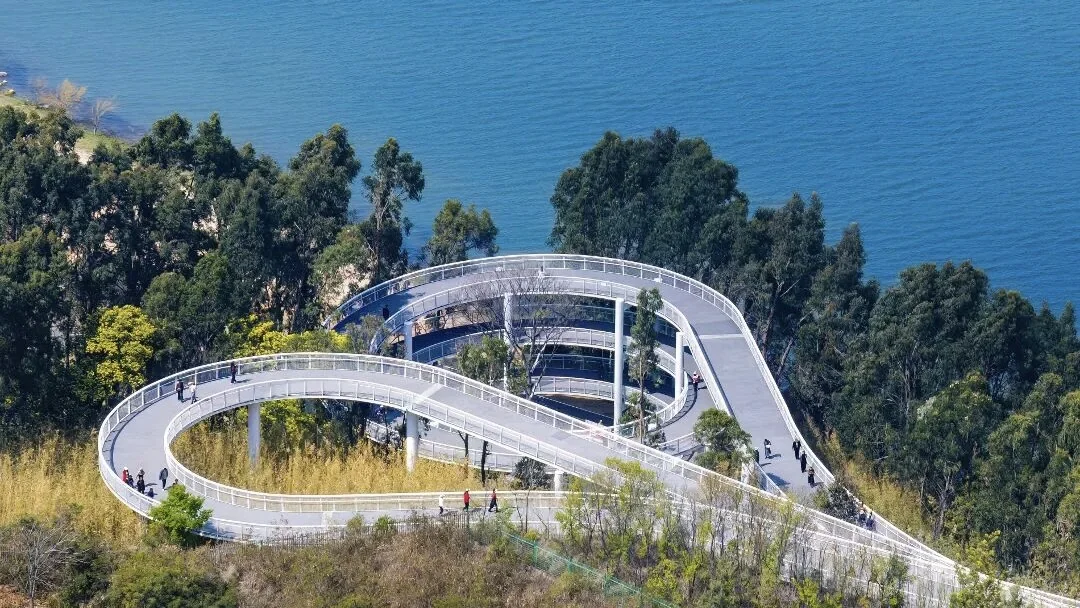
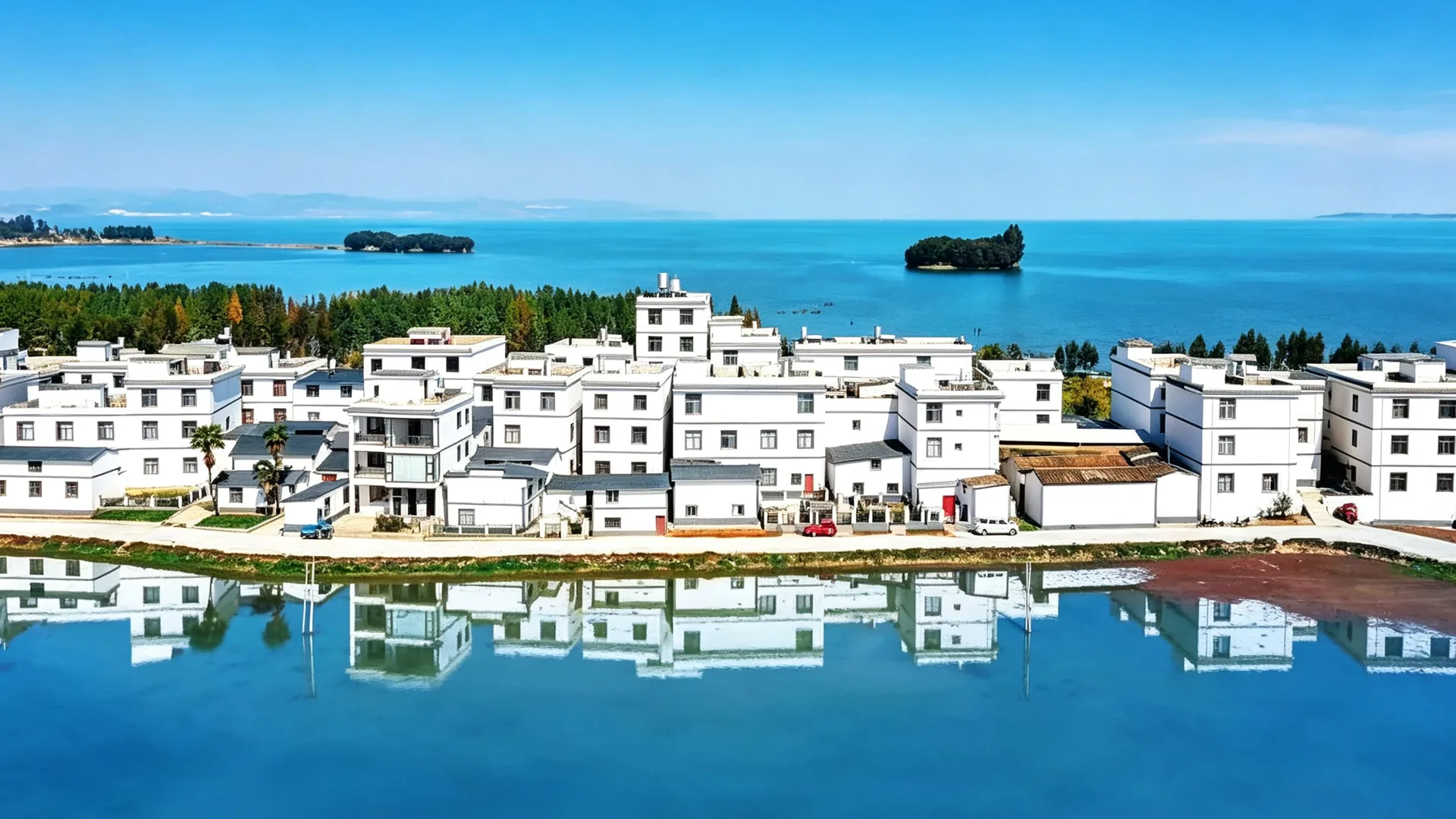
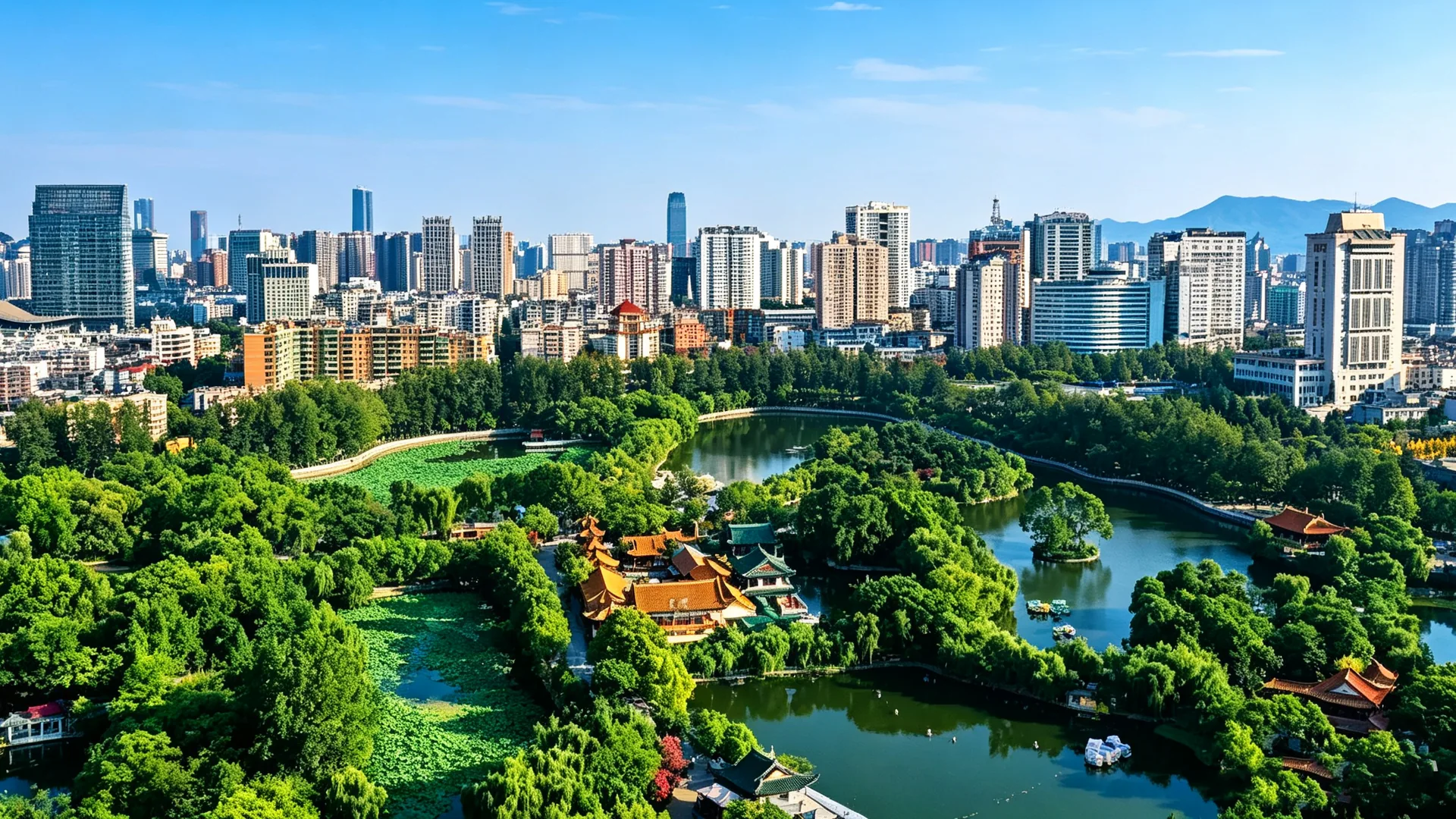
Four themed routes — from Cuihu's old streets to the Dian Lake greenway, from street-life bustle to Kunming's surroundings — laying out Kunming's most worth-walking places, one by one, in clear order.
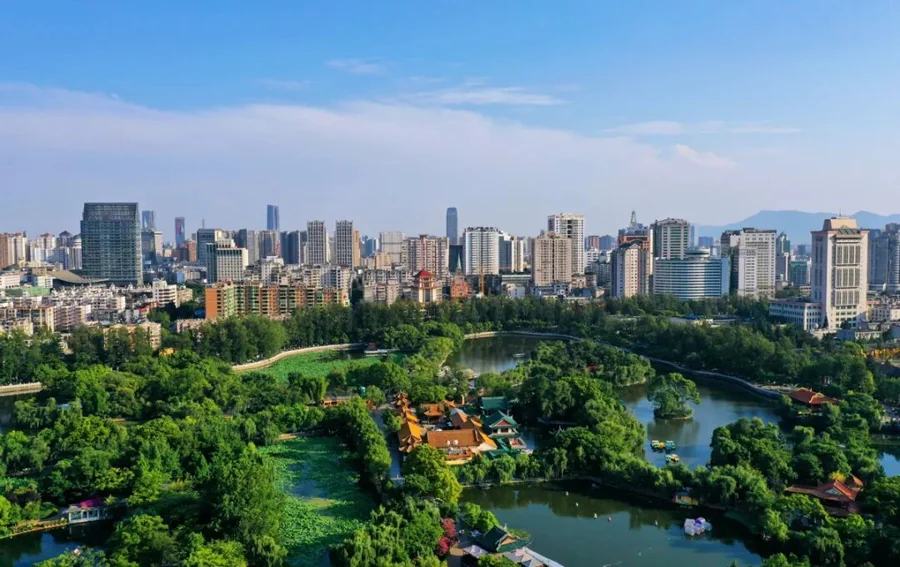
Centred on Cuihu Lake, wander the "nine lanes, thirteen slopes," snap photos on Huanggong East Street, sip coffee on Wenlin Street, and read a century of scholarship at Yunnan University and the former Southwest Associated University site. Coffee in one hand, tea in the other — a 3–8 hour slow roam of the Spring City, perfect for walking, coffee, and good food.
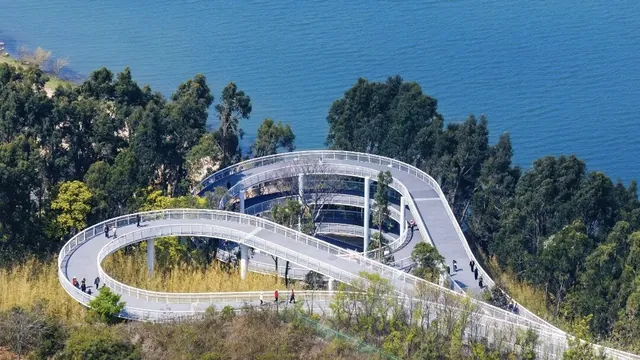
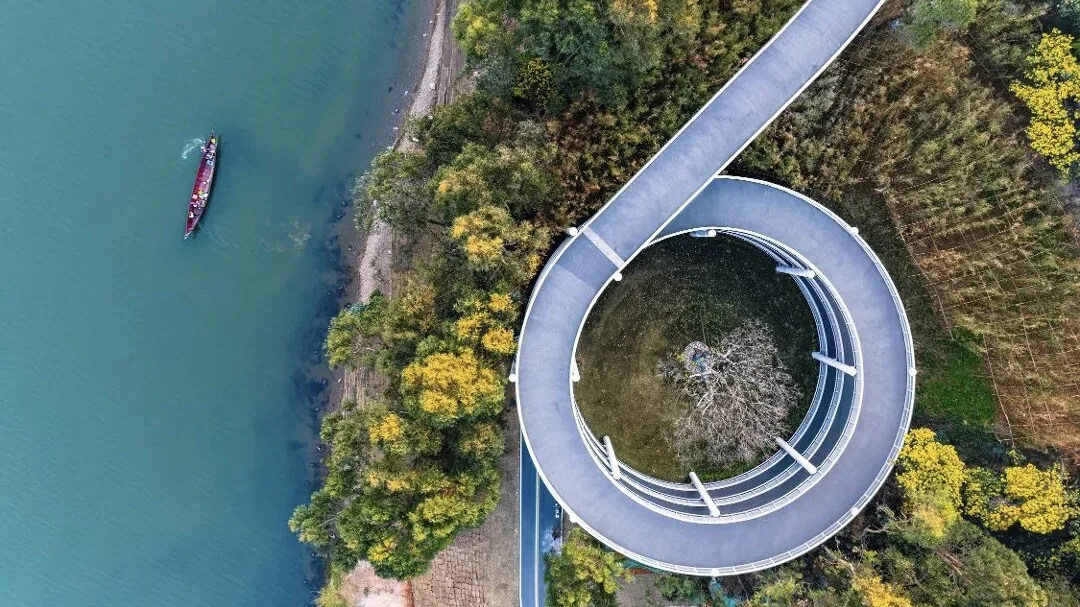
A 108 km greenway unfurls along the lake — from Haigeng Dam and the Seven-Arch Bridge to the Laoyu River water forest and Haiyan Village's orange-sea sunset; stop by Dounan Flower Market for all the blooms you can carry, and finish at Daguan Park's 200 mu of lotus ponds.
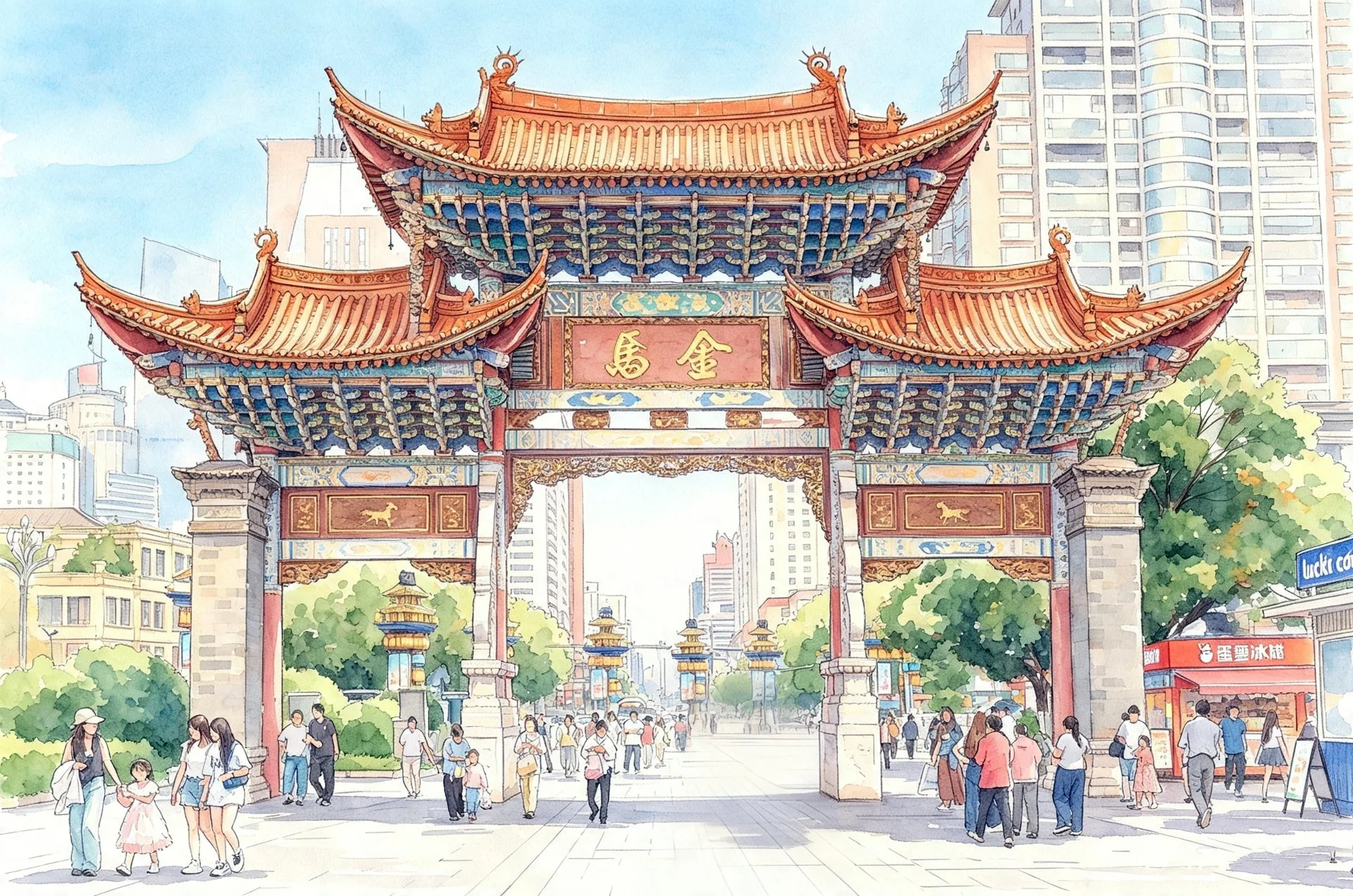
Read the Ming-Qing old town at the Golden Horse and Jade Rooster Archway and the Confucius Temple; then dive into Zhuanxin Farmers' Market, Mushuihua Wild Mushroom Market, and Guanshang Mushroom Street. After dark, move to Nanqiang Lane and Shuangqiao Night Market — grilled milk fan with iced beer is a true Kunming day.
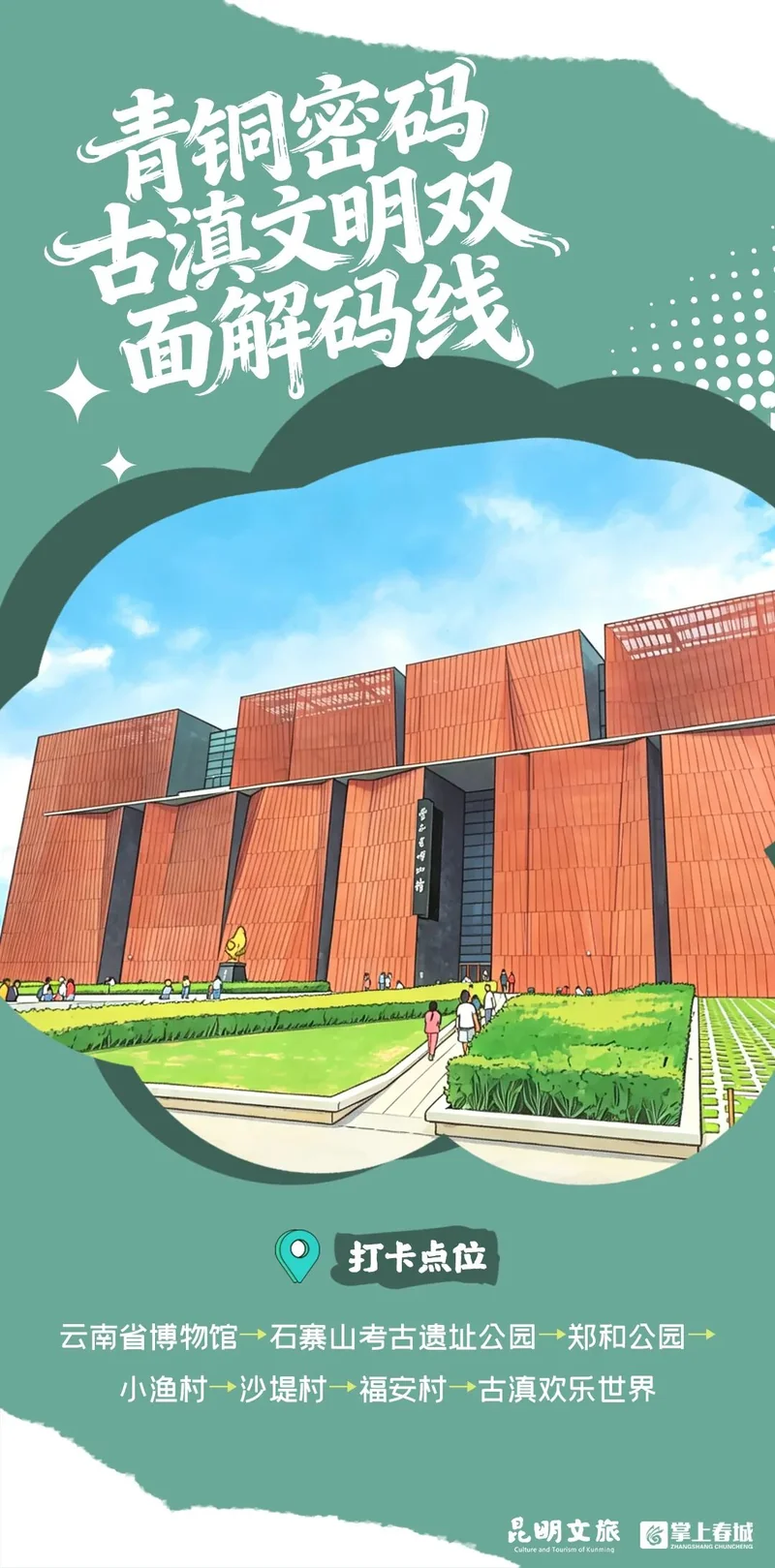
An hour south is Fuxian Lake's Class-I clear water; the Stone Forest is a 20-minute high-speed train away. North over the Wumeng Mountains, Jiaozi Snow Mountain meadows and Dongchuan's Red Land spread into an earth palette — Kunming's weekend far-suburb list.
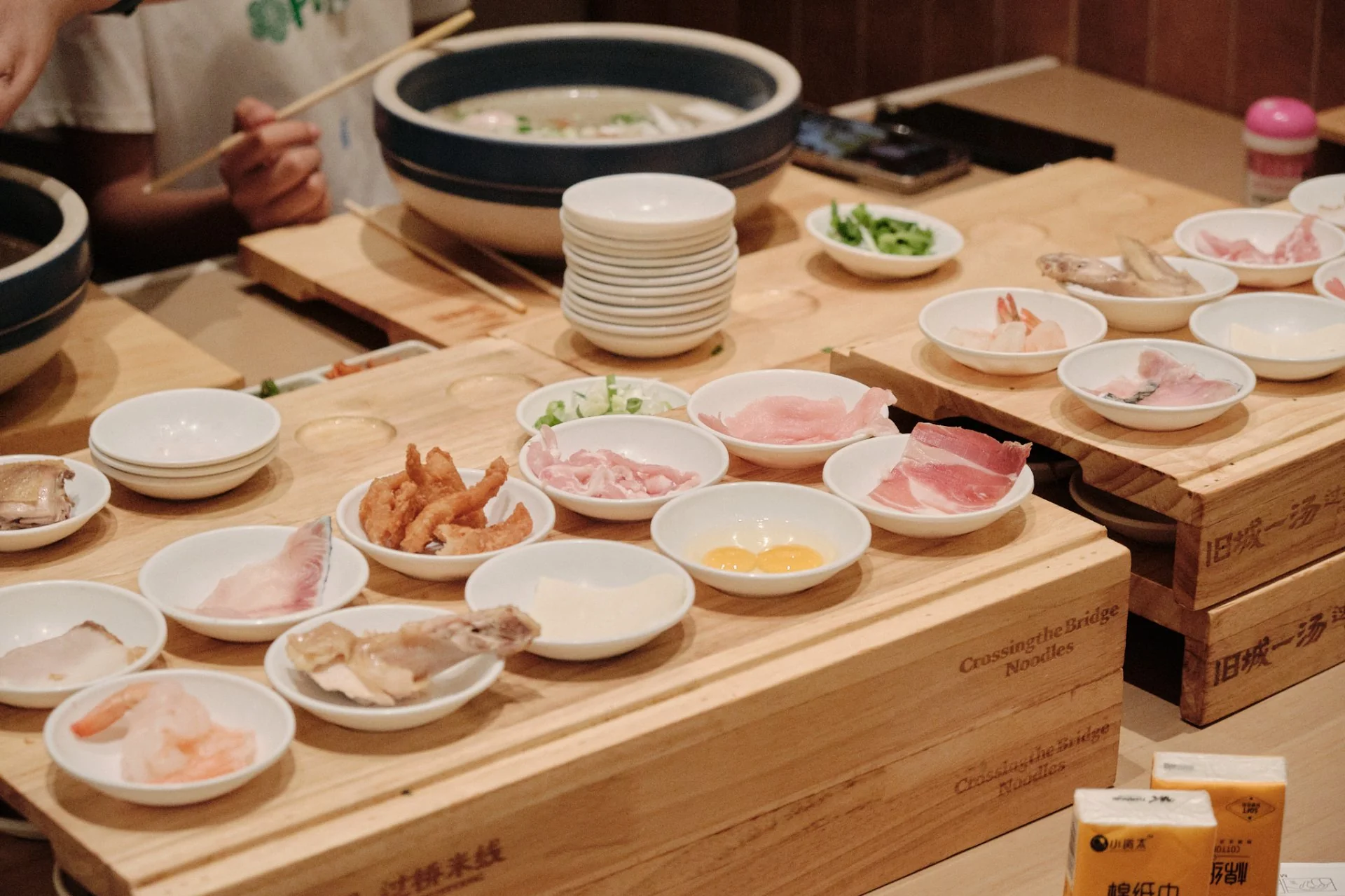
Affordable Yunnan home cooking, Dai flavours, halal, and mountain-country fare — a scene-by-scene list of where locals actually go, ¥20–85 per person, no scenic-area markup, fit for family dinners, friend gatherings, or a solo bite.
View the full Kunming what-to-eat guide →
Kunming is often treated as a stopover on the way west into Yunnan — yet it is itself a highland spring city worth settling into slowly. Ringed by hills and opening south to Dian Lake, its year-round temperature swings no more than eleven degrees, so the four seasons pass gentle and even. Kunming's goodness was never on any checklist; it lives in the gull cries as you sit idle by Cuihu, the greenway sunsets along Dian Lake, the raw liveliness of the farmers' market, and the night-time food smells down Nanqiang Street's lanes. On a first visit, there's no need to rush. A half-day wander through the old town reads the city's culture and street-life; a full day slow along the lake takes in the tenderness of five-hundred-li Dian. Stay, and live here slowly — only then do you know what this city is truly worth.
They call it the "Spring City" — and not without reason.
Kunming rests upon the Yunnan-Guizhou Plateau, ringed by mountains on three sides and open to the south, facing Dian Lake. Hills embrace the water, the water leans against the city — a layout you rarely find in the world.
The climate here is gentle by nature. The bitterest winters bring little frost; the hottest summers hold no scorching heat. The muggy oppression of a Jiangnan summer, the biting winds of a northern winter — Kunming mostly need not endure them. Plants stay green through all four seasons; flowers bloom and fall, fall and bloom again, seldom ceasing.
This comfort is many chances meeting at once. Sitting far south, it keeps the winter sun; more than eighteen hundred meters of plateau height naturally thins the summer heat; the Wumeng Mountains stand to one side, blocking the cold fronts pushing down from the north; a spread of Dian Lake at the city's foot tempers its dryness and damp each dawn and dusk. Come summer, the winds off the Indian Ocean arrive with the rains — often a sudden shower in the afternoon, a few more drizzles into the night; the clouds clear, and the daylight sky is fair again.
Low-latitude sunshine, just the right altitude, a highland lake to balance it, mountains to turn back the cold — these conditions gathered together, and still it is a provincial capital full of everyday life. Think it over, and such a place is rare under heaven.
In idle moments I browse a world atlas, always wanting to find a city close in spirit to Kunming. Quito, Bogota, Mexico City, Addis Ababa, Salta — all are low-latitude highland cities. Compared one by one, the local character is never quite the same. The spring cities abroad sit too high and turn cold at night, or lack a great lake to nourish them, and have none of the Southwest Associated University's cultural thread, none of the breath of many peoples living together. At home, Dali and Lijiang enjoy a mild climate, but their scale and amenities fall short of a provincial capital.
A plateau has its own temper. The swing between day and night runs wide; the sunlight is fierce, the UV strong; the dry and wet seasons are sharply divided. A first-time visitor must take time to grow used to it.
Many travelers suppose Kunming's story lives only in the few modern buildings by Cuihu. It does not.
Five hundred li of Dian Lake raised an ancient Dian culture. The pre-Qin Dian Kingdom took root along the lakeshore; Jinning's Shizhai Mountain and Hebosuo hold Kunming's earliest marks. The Yuan dynasty set up the Yunnan branch secretariat, moving the seat here, and Kunming became Yunnan's center ever since. The Ming built the Turtle City; the old town's grain still follows that plan today.
After the Yunnan-Vietnam railway opened, yellow-walled, red-tiled French villas came down the meter-gauge track into the city. Dashengqiao, Xunjin Street, the Cuihu mansions strung together; the Lu Han residence and Yunnan University's Hall of Gathering stand quietly — a rare, contiguous surviving cluster of modern French architecture in China. In the forest north of the city, the Golden Temple's pure-bronze hall has watched centuries of Dian's winds and clouds.
In the war years Kunming was a stable rear. The Burma Road and the Hump airlift linked it to the outside; Peking, Tsinghua, and Nankai moved south to form the Southwest Associated University, and three thousand teachers and students kept each other company for eight years — the spirit of "Sturdy, Resolute, Firm, and Outstanding" left upon Cuihu's shore. In 1949 Yunnan's peaceful uprising let the thousand-year cultural thread continue unbroken.
I often urge guests to walk the Cuihu loop: the Army Academy, Yunnan University's Donglu campus, the Lu Han residence, one after another — the fires of the modern era, the stories of Lianda, all laid out beneath your feet. Unlike the heavily commercialized small towns of west Yunnan, Kunming's old city is still where locals live, work, and eat. This living street-life is the most precious thing.
Many travelers pass through in haste, treating Kunming only as a stopover for the west. A pity. To read this city, there are roughly four layers of pleasure: the old town's humanity, the lake's shore, the northern woods, and the near outskirts.
Idle Walks in the Old Town
Wait for the red-billed gulls by Cuihu; hunt old shops down the streets and lanes; Nanqiang Street's lanes weave old and new. The Zhuanxin and Donghua farmers' markets are most worth a stop — seasonal wild greens, mountain flowers, and rainy-season mushrooms laid out in dazzling abundance.
Along Dian Lake
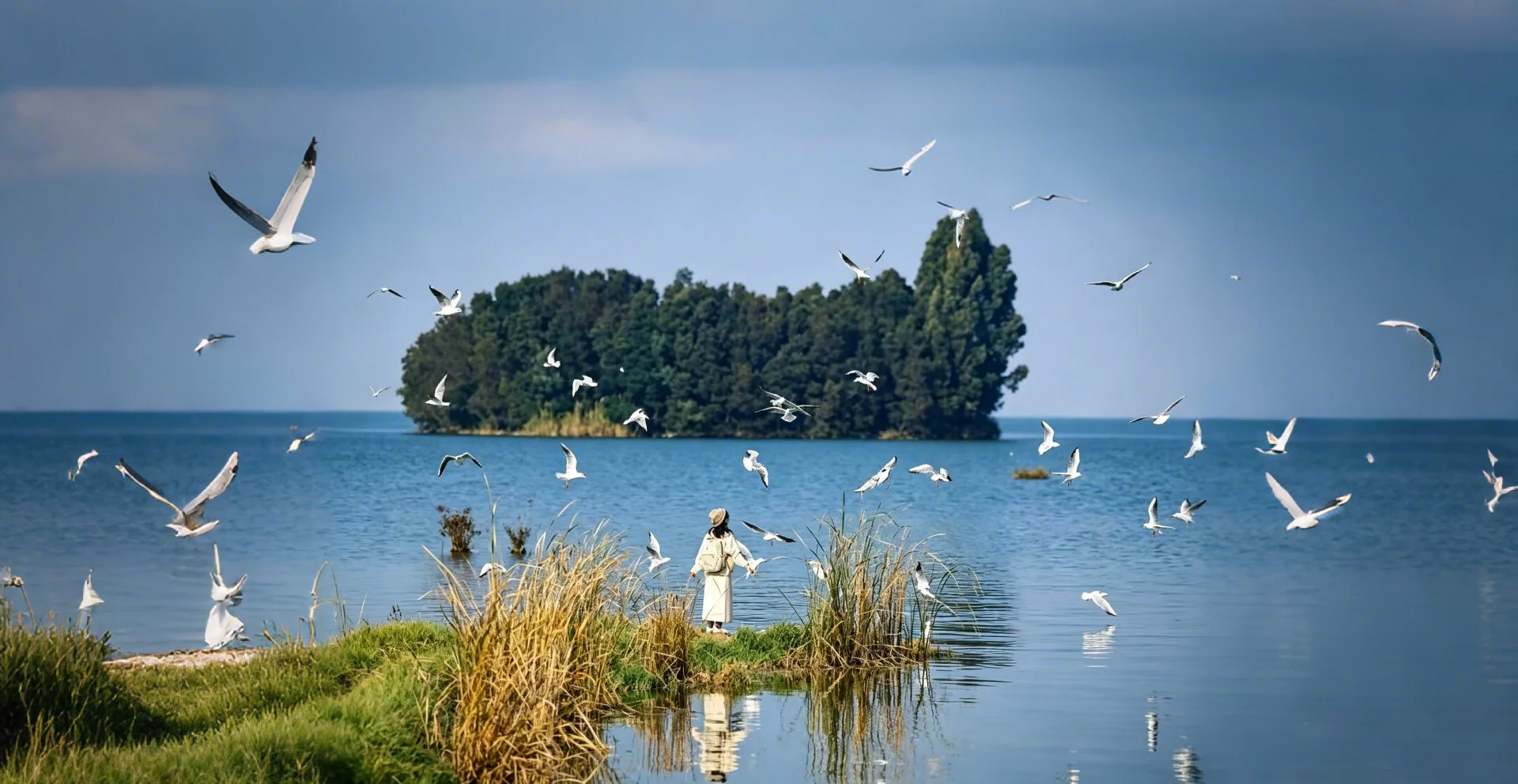
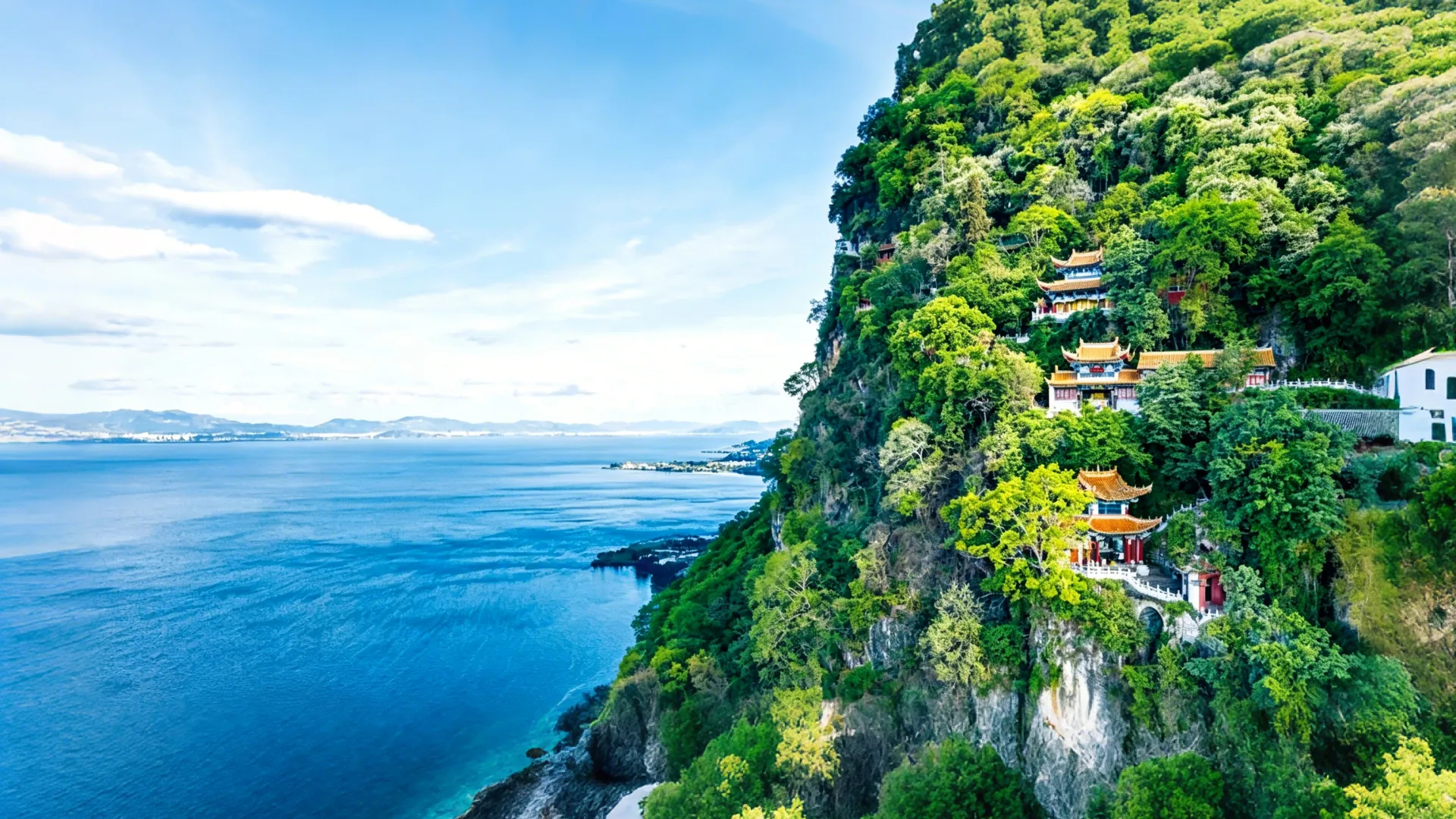
Dian Lake shaped Kunming's climate and is the water locals keep company with morning and evening. Haigeng Dam for gull-watching in winter; the Dragon Gate on West Mountain looking down over five hundred li of mist and waves; a hundred-odd kilometers of lakeside greenway stringing wetlands and old villages together — cycle, stroll, and wait for the sunset. Dian Lake hugs the city proper and carries the life of millions, so it can hardly be as clear as Fuxian Lake. No need to rank them: Dian is the everyday familiarity you meet each day; Fuxian is for a day of clean quiet.
The Northern Woods Corridor
Northeast of the main city hides a stretch of quiet woodland. The Kunming Botanical Garden grows lush; the Palm House and Maple Avenue each have their character; the Golden Temple keeps its camellia forest and Ming-Qing bronze hall; the World Horti-Expo Garden gathers gardens from everywhere. Where Cuihu carries street-life and modern memory, the northern woods show the highland's plants and old buildings melting into one.
Short Trips to the Outskirts
With Kunming as your base, one or two days brings varied scenery. An hour's drive reaches Fuxian Lake; the high-speed train reaches the Stone Forest in little over twenty minutes — karst peaks and the Sani people's culture; Dongchuan's red earth spreads terraced fields across the land, good for a short stay and photography.
The Wuhua-Cuihu area is rich in cultural roots, dense with relics, and full of street-life — only the old lanes are narrow and clog at peak hours.
Where to Stay
The Shuncheng and Dongfeng Square business districts make shopping and dining easy. The Guandu area offers markets, Dai flavors, and railway relics; visit the old Guandu town. The Xishan-Caohai shore faces Dian Lake directly, good for those who love lake views and cycling. The northern Panlong, by the botanical garden and Golden Temple, is quiet woodland, suited to those who like calm and hiking. North city and the Chenggong new area have friendly rents and complete amenities — better for a long stay.
The Flavors of Life
Kunming's food grows with the seasons. Day to day there are rice noodles, erkuai, potatoes, all manner of snacks; for family and friends, Yunnan home cooking or Dehong Dai flavors; the Hui community has evolved its own distinct halal taste. In spring, flowers go into the dishes; in high summer, wild mushrooms come to market. Out-of-town internet-famous Yunnan restaurants tone the flavor down; for the real local taste, seek the old shops on Huashan South Road, Shuangqiao, and Xunjin Street.
Ordinary Days
Life in Kunming moves at an easy pace, with little of the tight pressure of a great metropolis. The plateau sun is strong and the day-night swing wide, so carry sunscreen and a light jacket. The old town and new districts look nothing alike — do not define the whole spring city by one corner. As a gateway to South and Southeast Asia, from here you reach everywhere in Yunnan.
With mountains and water as the ground, climate as heaven's gift, history as bone, and street-life as soul — Kunming was never meant to be only a stopover.
Stay a few days and you may seek the Southwest Associated University's lingering spirit, the old tales of French villas; walk the lakeside greenway, gazing at West Mountain's Sleeping Beauty and the gulls filling the sky; step into the botanical gardens' woods and the Golden Temple's old shrines; crouch in an old-town market or old-street eatery and touch the living street-life; or take a weekend for Fuxian Lake's clear shore and the Stone Forest's jagged peaks, and meet the highland's own lake-and-mountain scroll.
This is why Kunming is irreplaceable among the world's "eternal-spring cities": a rare gentle climate blended with a thousand years of southwest cultural thread; old-town street-life, woodland and old halls, five hundred li of Dian, and the near-outskirts lakes and hills — all kneaded into ordinary days, making a city you can truly live in, read slowly, and often miss once you've left.
The code of Kunming's "ganjie" (country fairs) — which day each opens, each with its own place. The ones open today are already picked out for you; the rest wait in the calendar.
Kunming's pleasures follow the seasons — come at the right time, and you meet the right Spring City.
Mar–May, jacaranda rivers along Jiaochang Middle Road, begonia in full bloom by Cuihu — the perfect time for greenway walks and spring outings.
Mar–May · BlossomsJun–Aug, a 22°C natural AC city; the Stone Forest Torch Festival draws ten thousand revelers, and the Dian Lake Coffee Carnival lines the shore with 200 coffee trucks.
Jun–Aug · CoolSep–Nov, wild-mushroom hotpot is sheer umami; from September the Dongchuan Red Land and Jiaozi Mountain show their richest colours — a fine season for photography.
Sep–Nov · MushroomsNov to next March, red-billed gulls fly from Siberia to winter here; feeding them at Haigeng Dam is a winter ritual; a hot-spring soak by the lake fits the mood too.
Nov–Mar · GullsKunming's summer averages 18–25°C, with big day-night swings — bring a light jacket.
The highland sun is fierce; pack sunscreen, a hat, and sunglasses.
Wild mushrooms are delicious, but never pick and eat them yourself — always choose a proper restaurant.
Popular venues and scenic areas are best planned and booked ahead.
When you're tired from roaming, come back. The guesthouse is your steady home base in the Spring City.
Close to major sights and transit hubs — step out and you're on your way.
Listed on Meituan and Tujia, with transparent booking and checkable reviews.
Clean linens and complete amenities, as easy as coming back to your own place.